The Bagworm
KELANTAN, MALAYSIA - It’s a hot day in Pengkalan Chepa and Lin is showing me her garden. She stops by the big Bucida molineti and tells me that there is an infestation of some sort although she doesn’t know what it is. She points to the tree trunk and I can hardly see it as it is almost the same colour as the tree but when I look closely I notice that it is slowly moving up. She then points to the canopy and shows me something hanging by a ‘silk thread’. I then noticed more were clumped together directly onto the branches.
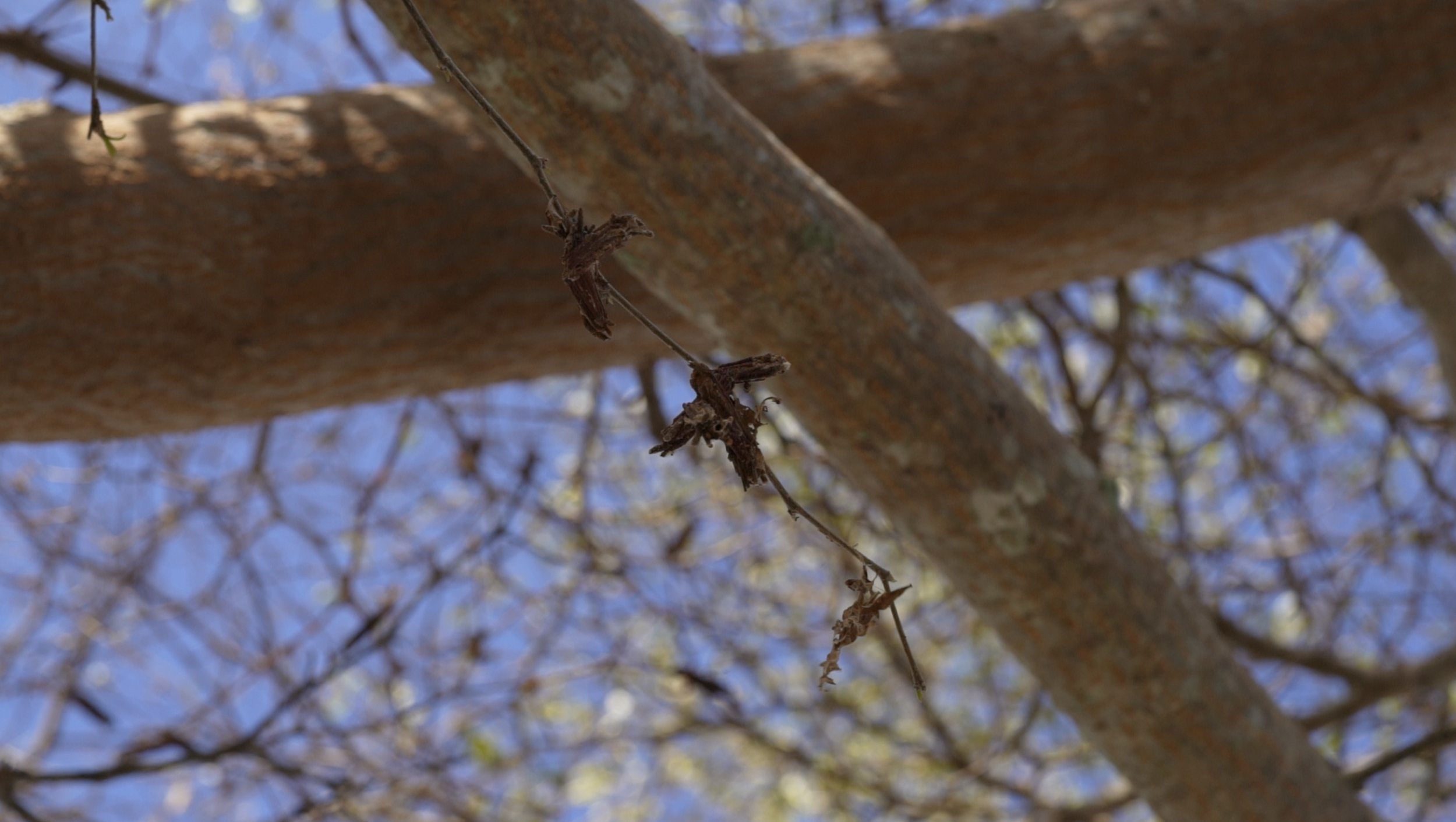
Little sticks clumped together are hanging onto a dead branch.
The tree's leaves were almost gone even though the Bucida next to it was doing fine, and there appeared to be some sort of orange translucent globule attached to random places along the tree trunk. It reminded me of the amber that held the mosquito in Jurassic Park.
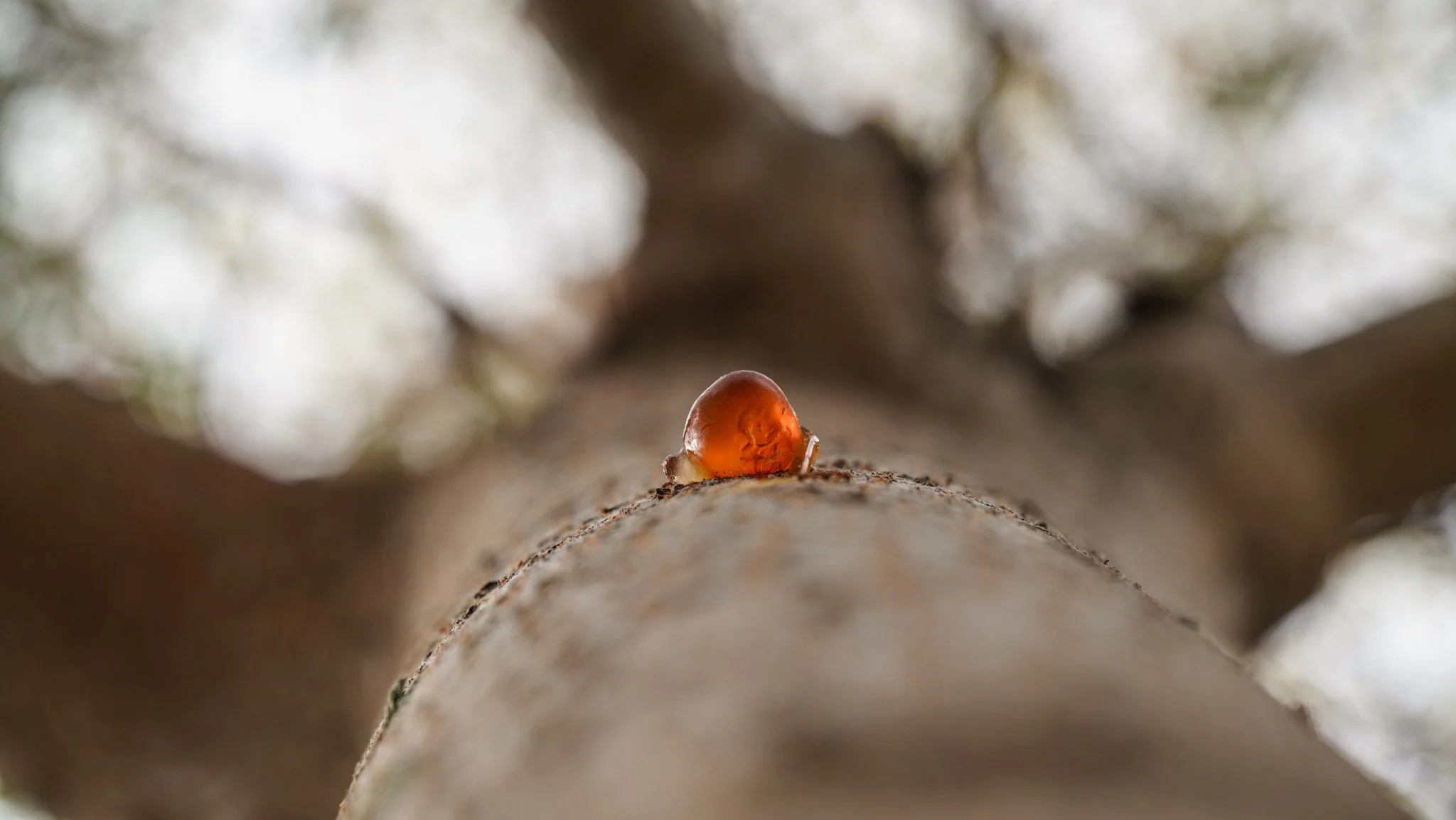
Amber like globule is stuck to the tree trunk.
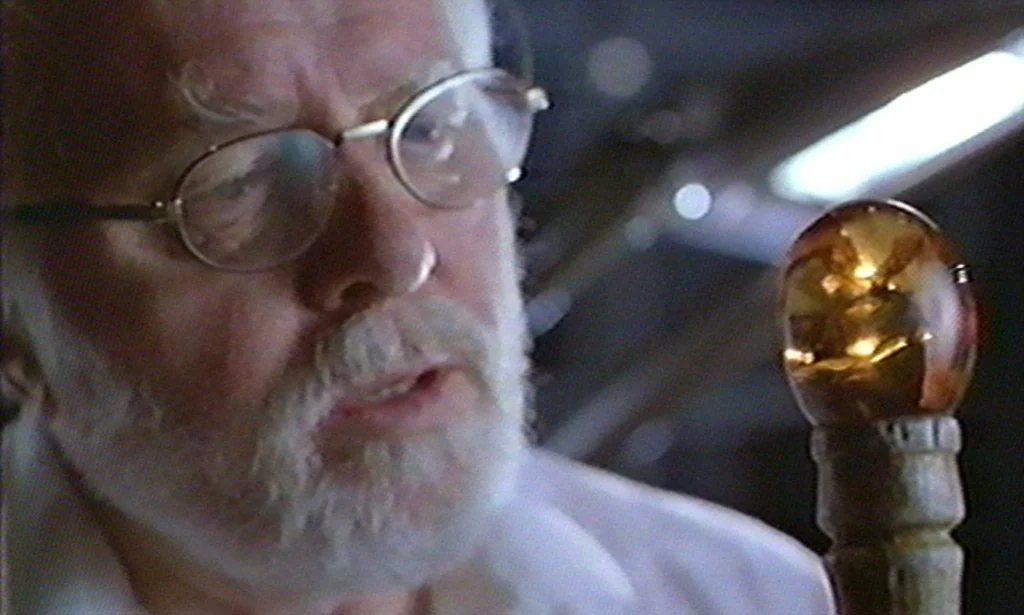
A scene from Jurassic Park where a mosquito is frozen inside amber.
What It Was
The little clumps of sticks are bagworms or more specifically, the casing that envelopes the bagworm. Bagworms are common insects in Malaysia. In fact it turns out that I have a close relative of it in my own home, hanging from my ceiling - the plaster bagworm or locally known as Kamitetep or Ulat Habuk/Ulat Dinding (dust worm/wall worm).
The Bagworm is a general term for the moth larvae of the order Lepidoptera, from the family Psychidae. Although it isn’t obvious by just looking at it, it is actually just a caterpillar like any other larvae belonging to butterflies and moths.
So how does it make this bag? The bagworm uses silk it produces to attach random plant material to itself to create a tube like cocoon it carries around. Bagworms spin their own silk to bind bits of leaves and twigs to form the nests they wrap themselves in, as well as to hang from branches for protection from predators and to move from place to place in search of food. The larvae of some species eat lichen, while others prefer green leaves.
These bags also serve as a cacoon when it attaches to rocks, trees or fences while resting or during their pupa stage. When they transform into a moth only the males will develop wings which will enable it to fly while the females will have either very small or non-functioning wings and will spend their entire lives in this cocoon. The males will find them, reproduce and the young will even be born there. Eventually they'll find a place to attach to the host tree appearing to be part of the tree. Blending in then move itself upside down in his bag/coccoon until it emerges as an adult. And the cycle starts all over again.
Bagworms are almost never seen outside their bag and if their bag is damaged, it will repair it.
The Bagworm’s Silk
Unlike the spider that pulls silk out through spigots on their spinnerets - think how Spiderman had his web coming out from his hand, the Bagworms produce silk through specialized silk glands located near their chewing mouthparts. These glands, which are modified salivary glands, produce a liquid protein that is secreted as a thread, allowing them to construct, strengthen, and enlarge their cases throughout their larval stage.
Not a pest: How a company in Japan is using bagworms
It begins spinning silk immediately after birth and continues throughout their larval stage unlike silkworms that spin silk only for two or three days just before pupation.
Bagworm silk is made of protein and is biodegradable and is also very strong. Since it’s not derived from fossil fuels, there’s no risk of it turning into microplastics after disposal or negatively impacting ecosystems and that is why researchers are using it to make natural fiber.
Agricultural Impact: Specific species of bagworms, such as Metisa plana and Pteroma pendula, are significant leaf-eating pests in Malaysian oil palm plantations, causing substantial crop losses when outbreaks occur.